

Kate Larson (she/her) is Senior Editor of Farm & Fiber Knits. For nearly as long as Kate has been handspinning and knitting, she has been helping others find their paths as makers and forge deeper connections with the landscapes that produce the wool and cotton, flax, and silk that they hold in their hands. While Kate has published a book, many articles and patterns, and several instructional videos, she especially loves celebrating the work of other fiber folks. The editor of Spin Off from 2018–2025, she directs spinning events in addition to editing Farm & Fiber Knits. If you can’t find Kate, she’s most likely in the barn having a chat with her beloved Border Leicester sheep.
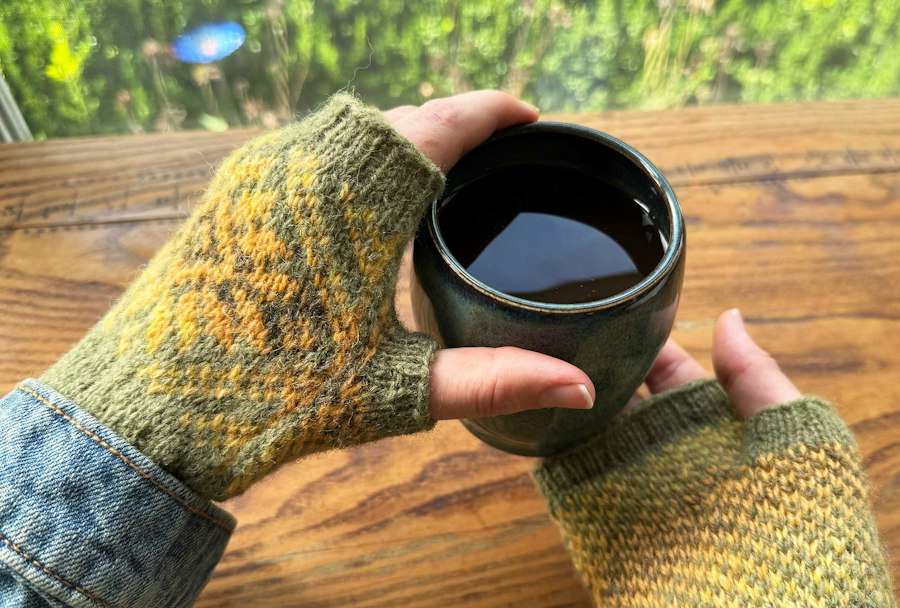
Fingerless mitts are quick to make, but the art of a perfect thumb gusset can take some practice. Learn from Hazel Tindall and cast on her new handwarmers!
Subscriber Exclusive
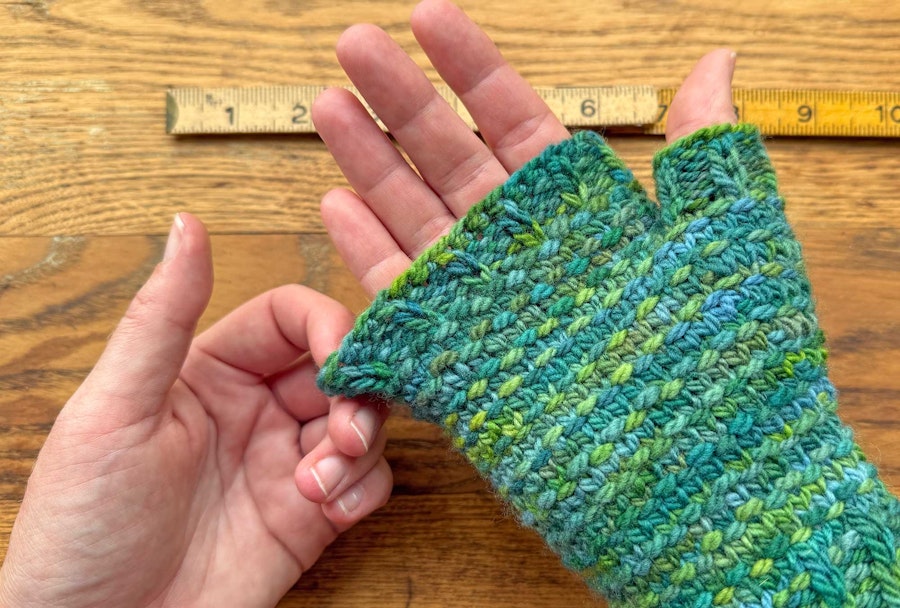
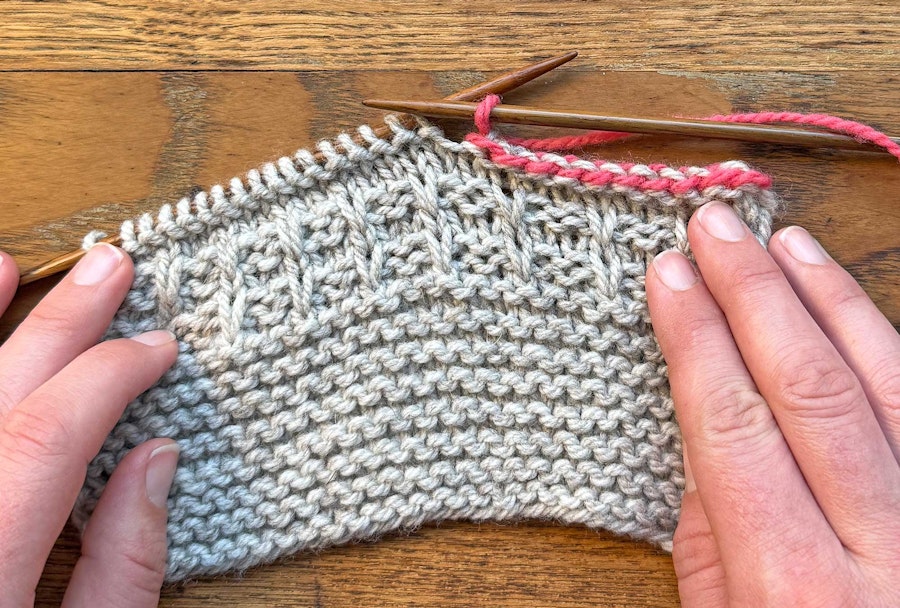
Not all stretchy bind-offs work well for ribbing. Here’s an easy one that adapts well to any kind of knit/purl edging on your needles.
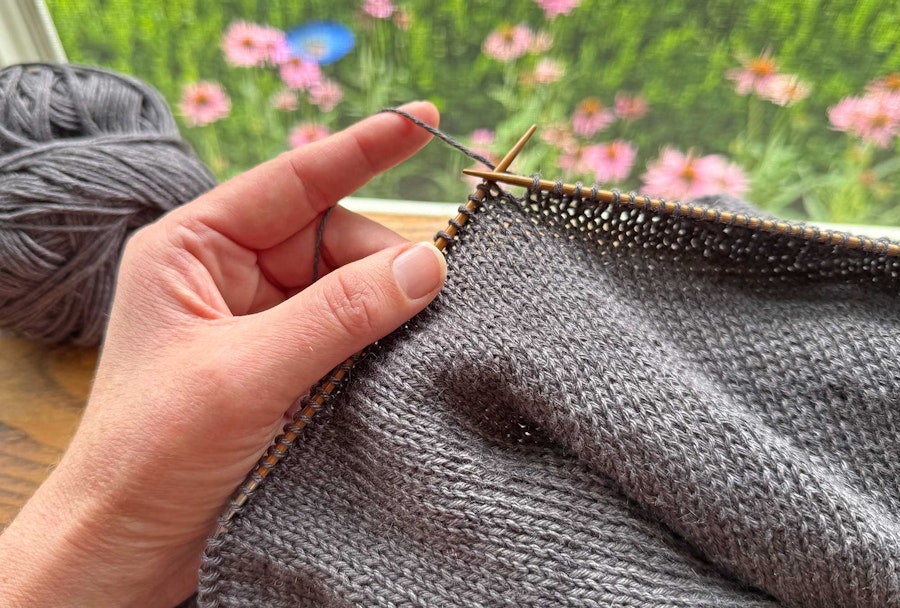
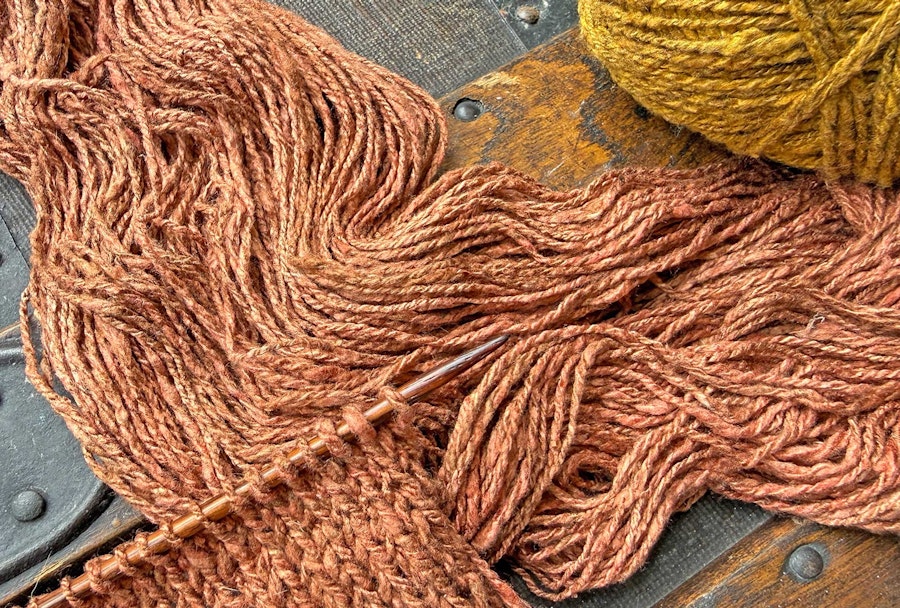
Traveling from forests in Madagascar to dyepots in Rwanda to store shelves in Texas, handspun borocera silk yarn has an incredible story. How does it knit up?
Subscriber Exclusive
When a standard bind-off edge just isn’t stretchy or substantial enough, try this must-know technique!
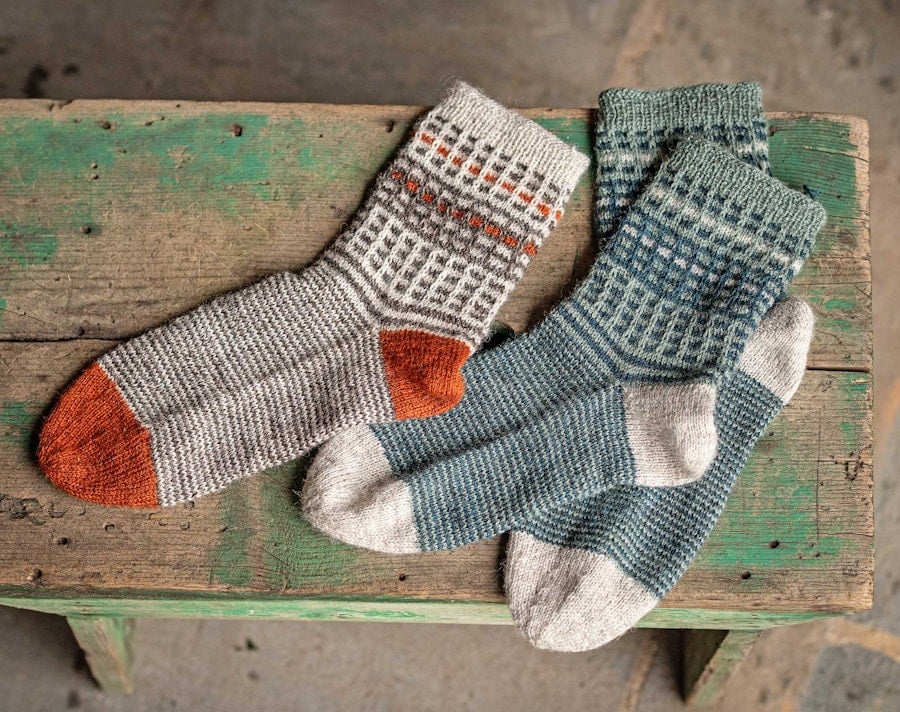
Did you know that Welsh handknitters were known for stripy socks? Check out some wild stripes from the 19th century, learn about a modern Welsh sock yarn, and try a few techniques for perfect jogless stripes.
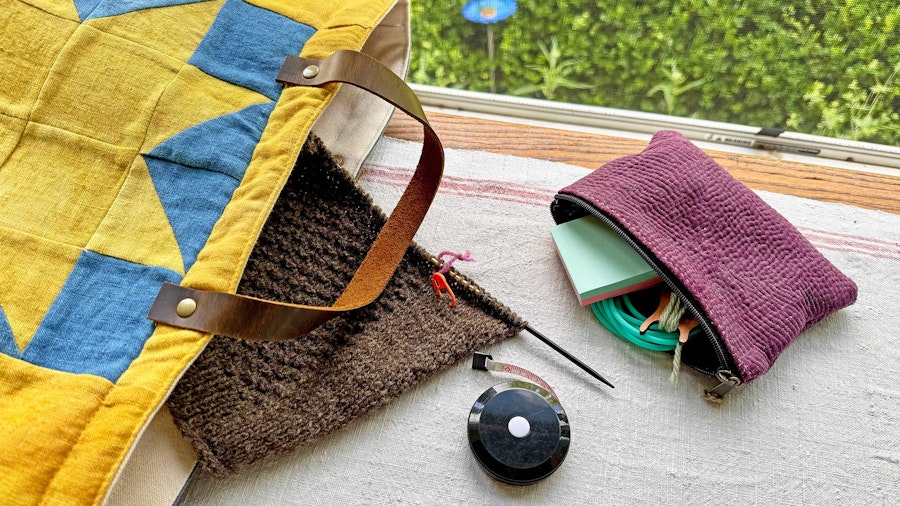
Whether traveling near or far, a few prepacked knitting notions makes knitting on-the-go a breeze. Get organized with this list of essentials, an expansion pack, a tiny emergency stitch kit.
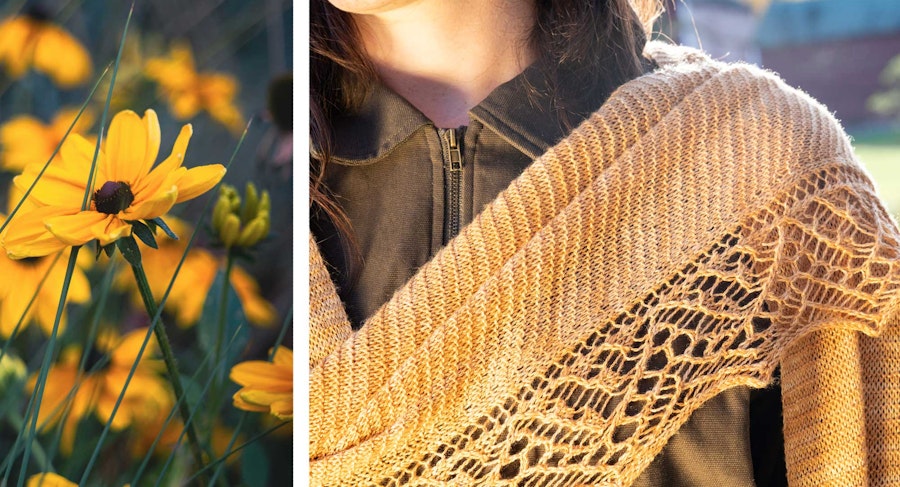
More knitters than ever are slingin‘ stitches through every season. What do you think knitters want to learn and cast on as the temperature climbs? Send us your ideas!
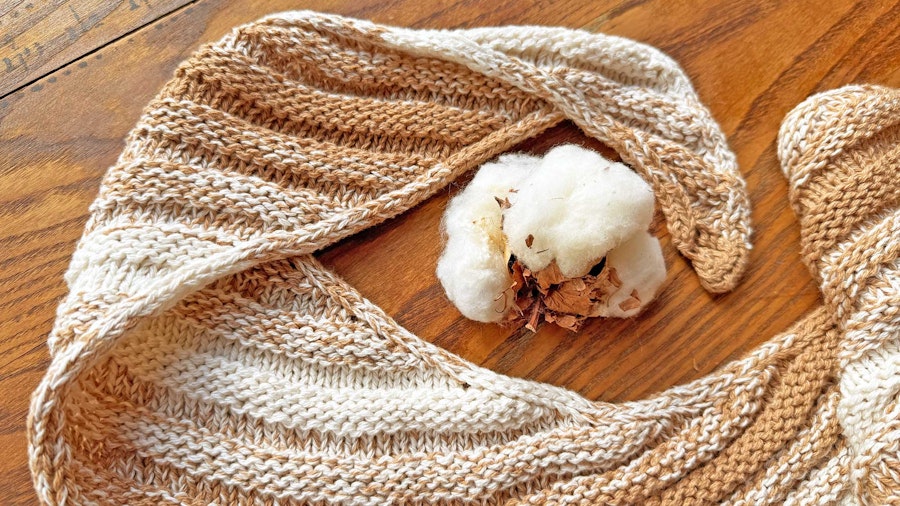
We can’t wait to share the Summer issue with you next week! Take a peek at one of the designs, and learn how to make a naturally colored cotton gradient.
Subscriber Exclusive
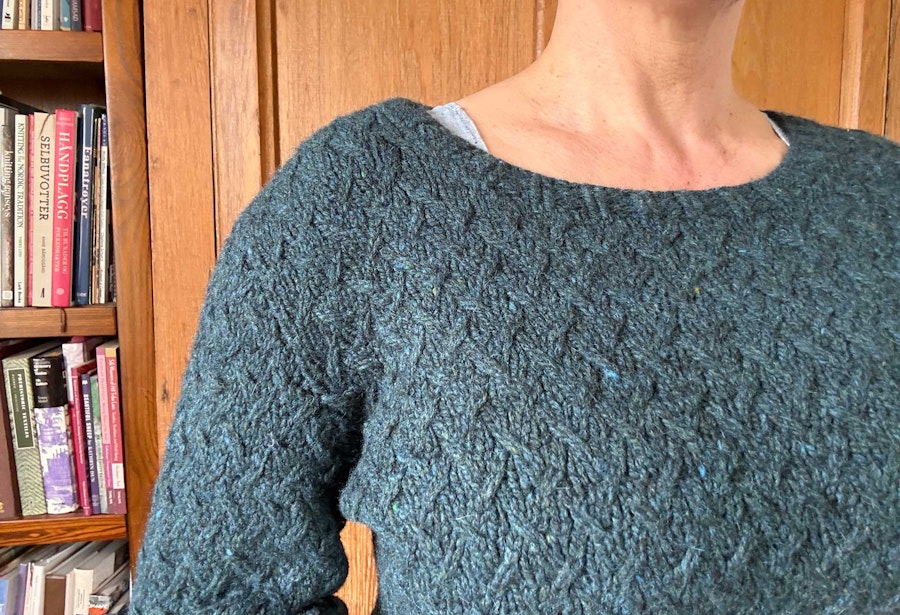
Are your sweater sleeves too long? It might actually be a stretched neckline to blame! Learn how to diagnose this common fitting issue, and get Kate’s 10-minute neckline fix that could save your handknit with a nearly invisible finish.


