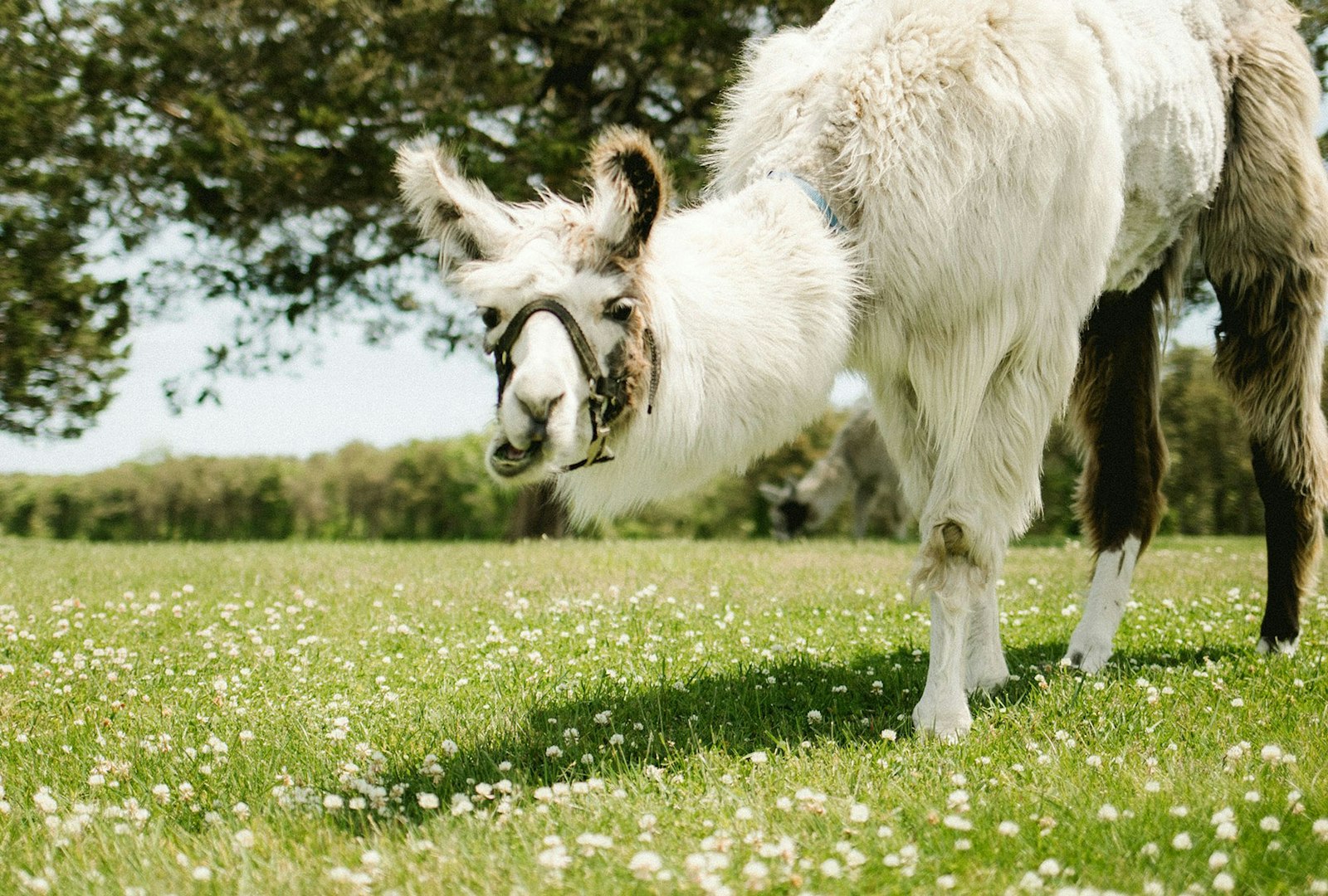
Did you know that a llama is a Lama? And an alpaca is, too? Both species are camelids within the genus Lama, so the term is often used to refer to them both. Spend time around llamas and alpacas, and you’ll quickly discover that you’re learning a whole new vocabulary.
To help decode the language of llamas and alpacas, we turned to fiber artist and rancher Karen Kinyon. After nearly four decades of raising both animals and working with their fiber, she’s the perfect guide to the unique language of the camelid world.
This mix of South American and North American terms is part of what makes the world of llamas and alpacas so much fun. Consider this your cheat sheet to speaking fluent camelid.
Learn the Lingo
Blanket: The saddle area of a llama or alpaca; this is the only part that’s considered premium fleece.
Cria: A baby llama or alpaca.
 Baby alpacas are called crias (pronounced kree-ah) and weigh between 15 and 20 pounds at birth. Photo by Marcel Langthim on Pixabay
Cush: The sitting position of an alpaca or llama.
Hum: The gentle soft sound that both llamas and alpacas make; this often sounds like a conversation.
Alarm Call: The very high pitched whinny-like “scream” that alpacas and llamas make when something dangerous or new comes close to their enclosure. According to Karen, they are excellent watch animals and alert the owners to check out what is unusual in the area. Llamas are even sometimes used to guard flocks of sheep!
 Would you be startled to hear an alarm call from a llama? Photo by William Gaspar on Pixabay
Beans: Both llamas and alpacas have pelletized dung, so owners are often out in their pens cleaning up llama and alpaca “beans.” Karen says, “My young son got a bit confused about this and started refusing to eat any kind of beans, especially black jelly beans!”
Guard Hair: The coarser often longer fibers of a fleece that help the animal to shed water, protecting the fine inner fleece. Both alpacas and llamas have this, but it is much less obvious in alpacas.
Down: The fine, soft inner fleece on both llamas and alpacas; excellent for spinning into yarn.
 The “blanket area” covers the alpaca’s back and sides, and provides the highest-quality fiber on the body. Photo by Piotr Musiol on Unsplash
Single Coat: A term used to describe llama fleece with minimal or no heavy guard hair.
Double Coat: A fleece definition used in judging a llama fleece that exhibits both guard hair and down.
Guanaco: An undomesticated South American cousin to llamas.
Vicuna: An undomesticated South American cousin to alpacas.
 Llamas are good watch animals and are sometimes used to guard flocks of sheep. Photo by Dusan on Pixabay
And Did You Know?
Fiber Types: Huacayas have a crimpy, lofty, soft undercoat that makes beautiful, warm yarn. And suri alpaca locks are straighter, with a spiral or wave pattern that spins into a cooler yarn for more drapey fabrics.
Camelid Colors: Alpacas and llamas come in a beautiful range of colors. The Alpaca Owners Association lists more than 15 different shades.
 These locks show the range of white, black, brown, and gray alpaca fiber, with many shades in between. Photo by Matt Graves
More to Explore
Learn more about the natural colors of alpacas and the luxurious yarns produced from their fleeces.
Get a behind-the-scenes glimpse of life on an alpaca farm during our photo shoot at Chakana Sky Alpacas.
Test your knowledge of alpacas and llamas: Can you spot the difference?
Read all about huacaya alpacas, and the less-familiar suri.
Knit Your Own
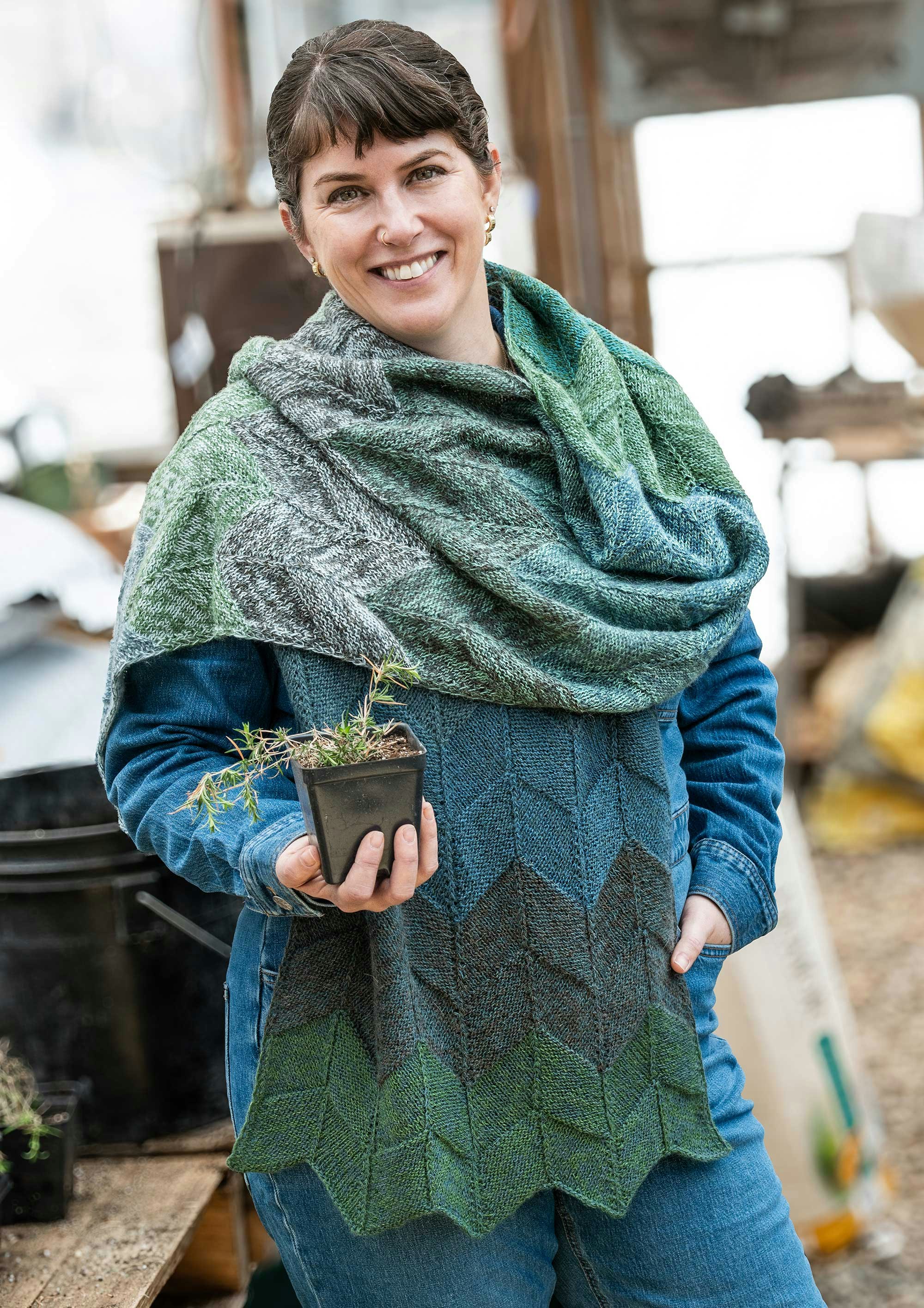
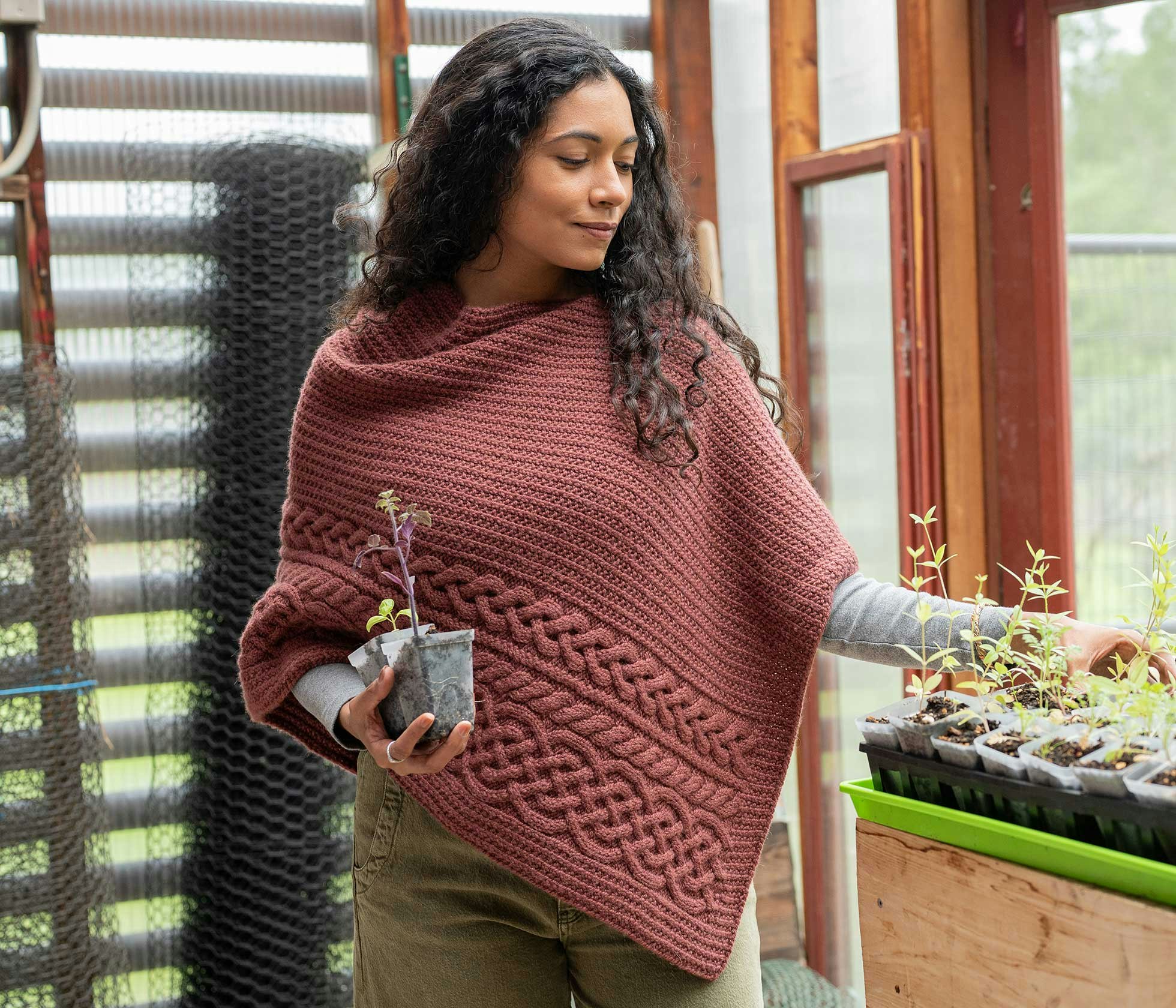
Both the Parastripe Shawl and Wicklow Wrap feature alpaca yarn. Find them in the Farm & Fiber Knits library. Photos by Gale Zucker