The island of Madagascar, off the southeastern coast of Africa, has seen dramatic declines in native tapia forests. These slow-growing trees serve as pastures for an indigenous silk worm, Borocera cajani, referred to as landibe. For generations, Malagasy artisans have reared landibe caterpillars, harvested silk cocoons, and spun them into beautifully textured yarns. Forest conservation efforts have supported the silk artisans, who are managing and replanting trees, protecting them from logging.
 A Voajanahary co-op artisan collects tapia leaves to feed silk larvae until they are large enough to move to the forest. Photo courtesy of Handspun Hope
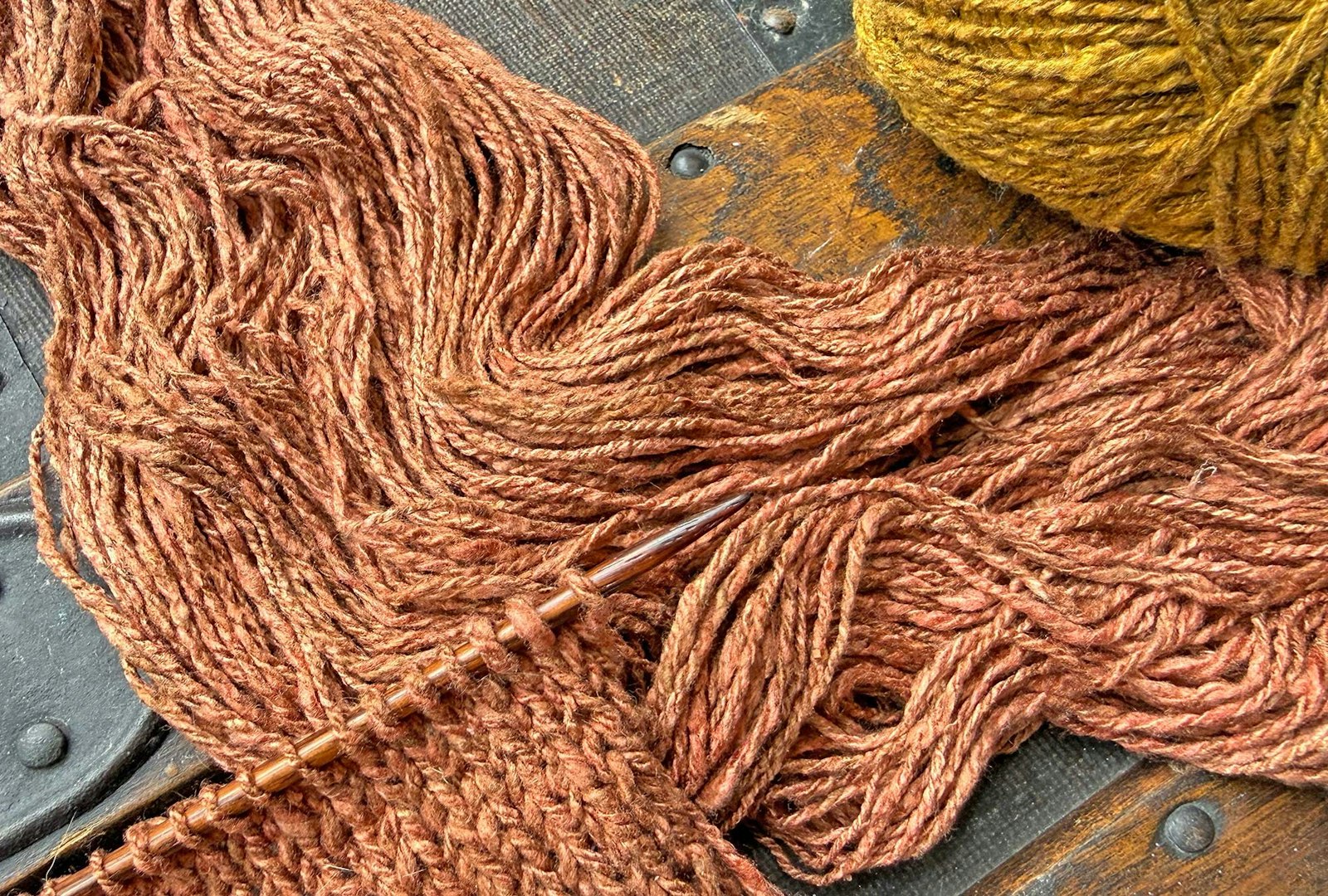
I first came across Borocera silk yarn in the Handspun Hope booth at the New York Sheep and Wool Festival (Rhinebeck). Handspun, botanically dyed wild silks—dreamy. Before spinning, this type of wild silk is prepared by stretching the silk fibers from the cocoon after the sticky sericin removed. Unlike smooth reeled- or combed-silk yarns, this wild silk is textured, and each skein is unique. I purchased a delightful armload of colors because I couldn't pick just one!
There is so much to this story—how the silk is processed, the natural dyes used by the Rwandan artisans, and more. Handspun Hope founder Diana Wiley recently appeared on the Long Thread Podcast (listen here or find it on your favorite podcast app), and Leslie Petrovski wrote a great article with more of the story in Farm & Fiber Knits Summer 2026. Head the the Resources section below for all the links.
 Fluffy cocoons are spun into textured singles using drop spindles. Photo courtesy of Handspun Hope
So, how does it knit up?
Because the fibers are not highly processed before spinning, this silk is (in some ways) more like knitting with wool or lofty cotton yarn than the firm, high-luster silk yarns you might have encountered before. It has some elasticity and loft that make it easier on the hands.
The thick-and-thin nature of the yarn will impact some stitch motifs more than others. Here are a few that I tried using skeins marked fingering weight:
Stockinette and Garter
Simple stitches allow the character of the yarn to shine.
Click on any image to open in full-screen mode.
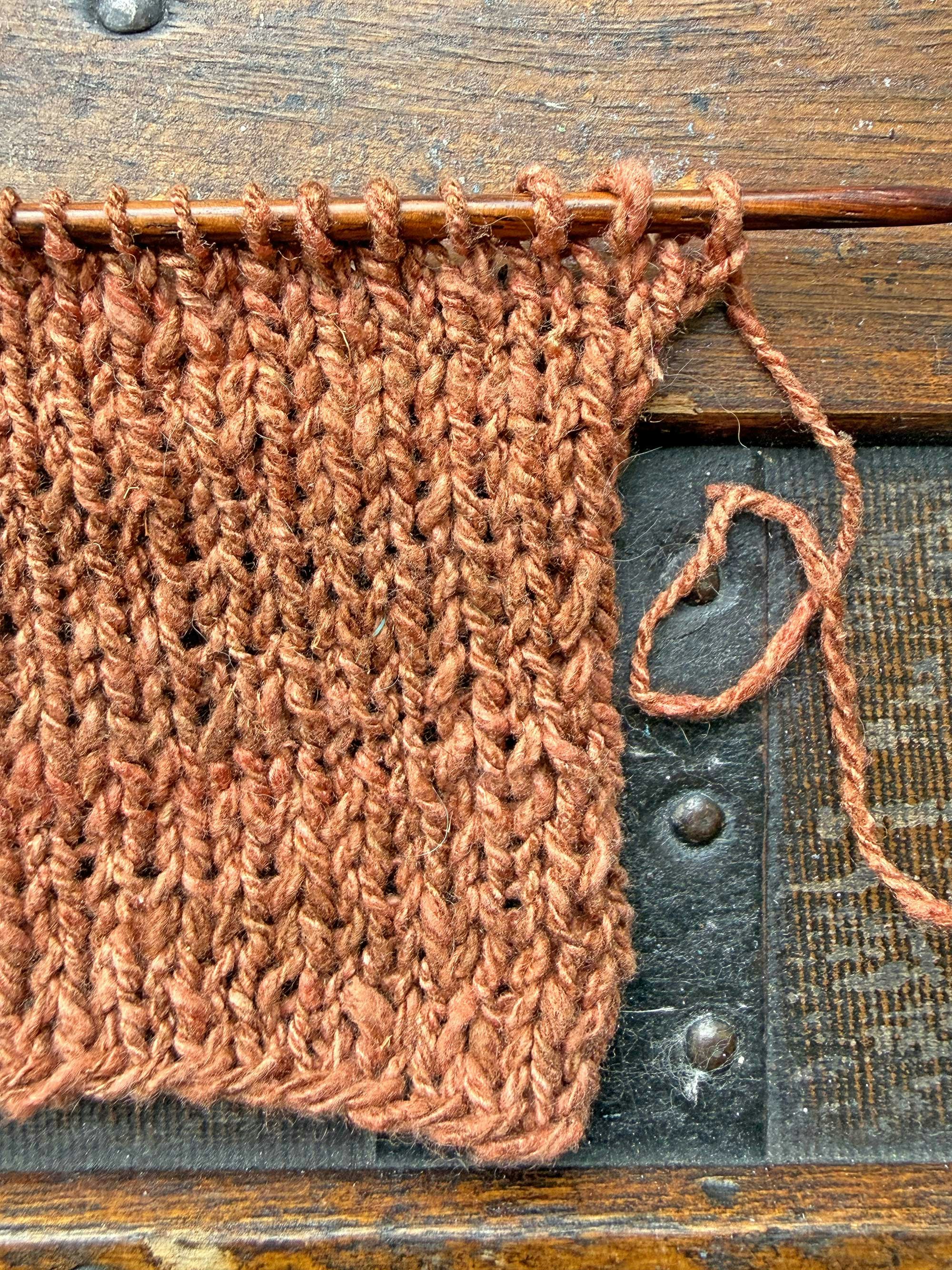
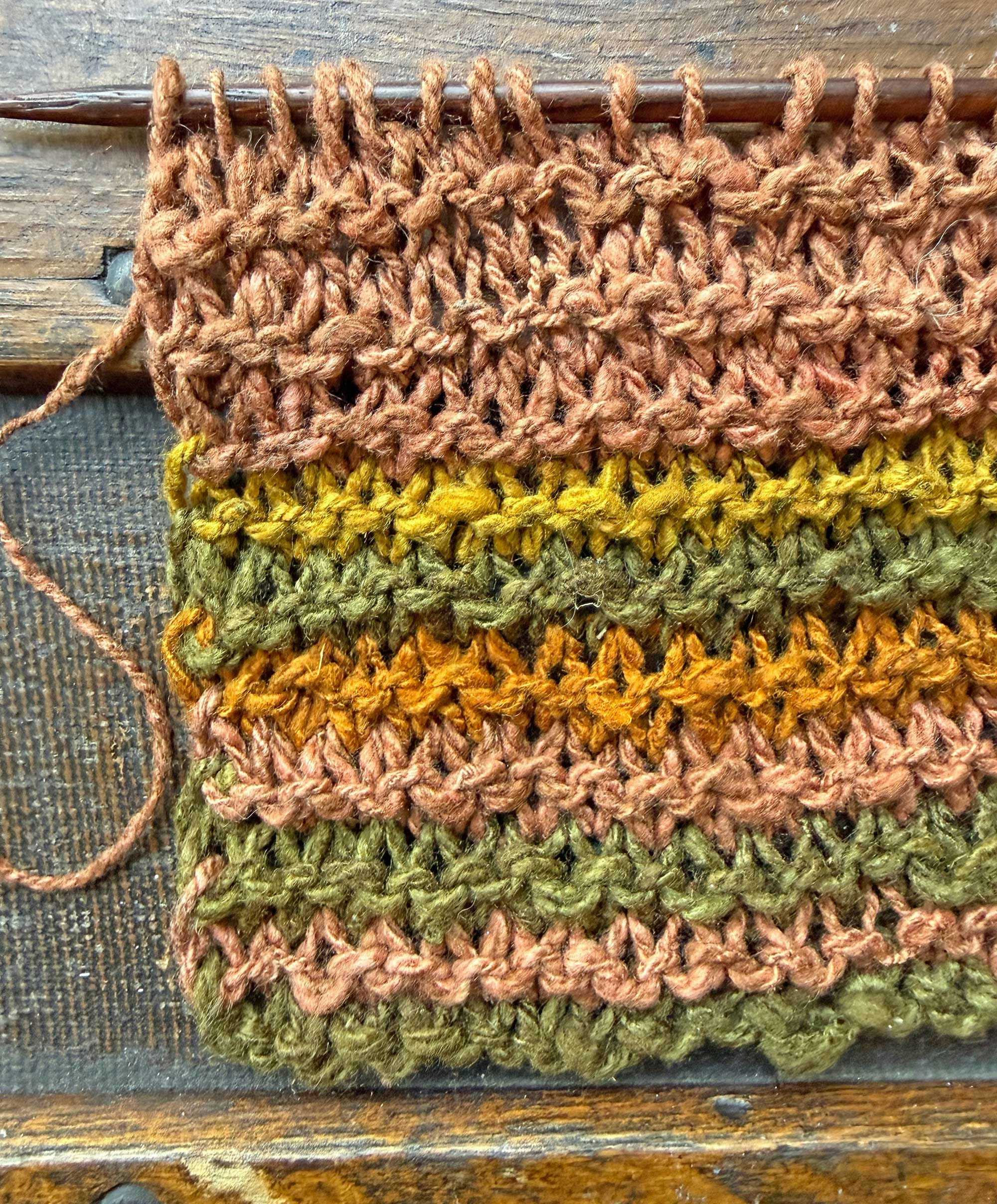
I used a size 5 (3.75 mm) needle to knit this stockinette swatch. I started with a size 4 (3.5 mm) and went up to loosen the fabric. This still feels firm enough to knit a garment, in my opinion. For garter, I wanted to try stripes and to push the gauge, so I used a size 7 (4.5 mm) needle here. Such great drape!
Linen Stitch and Lace
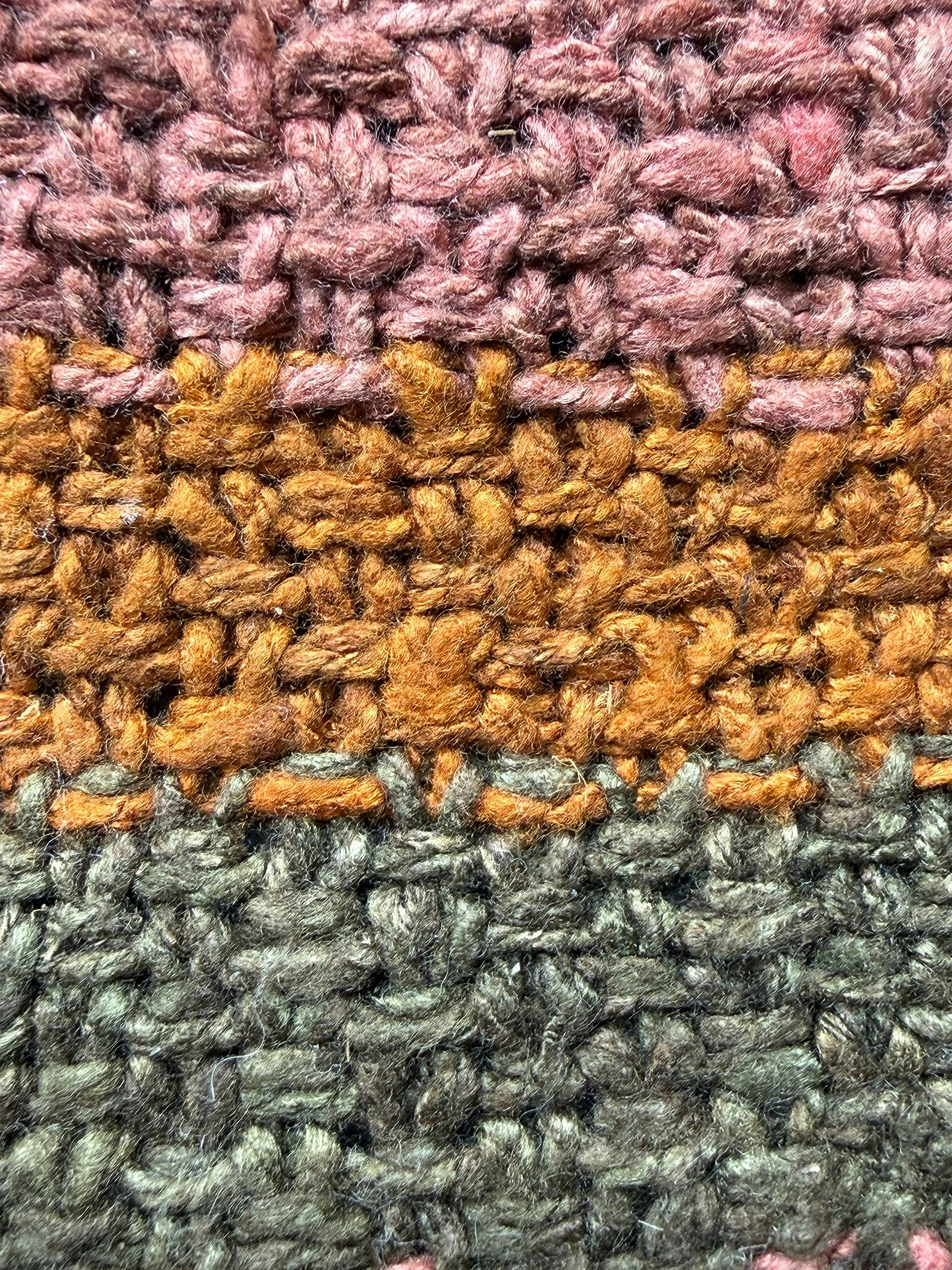
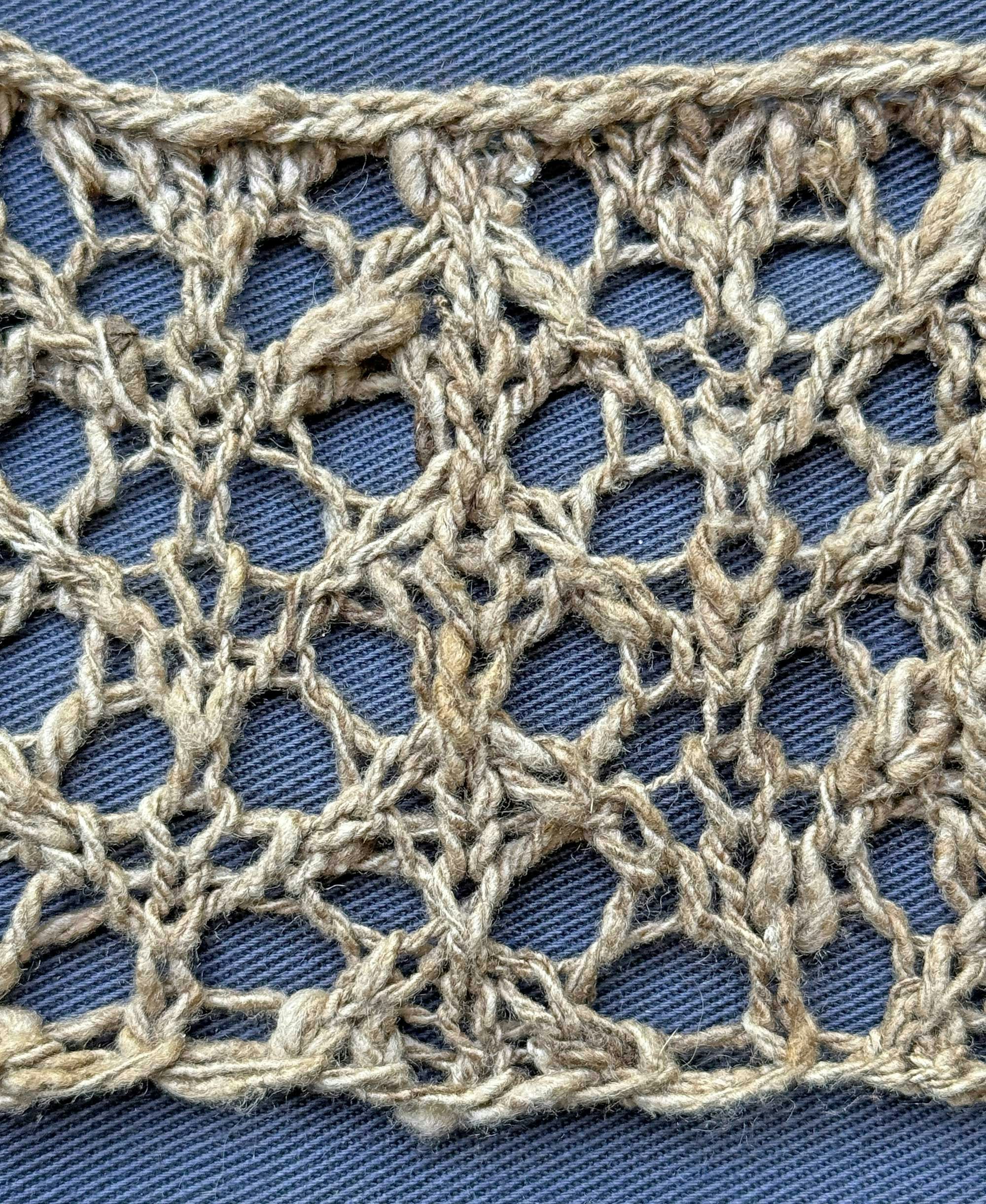
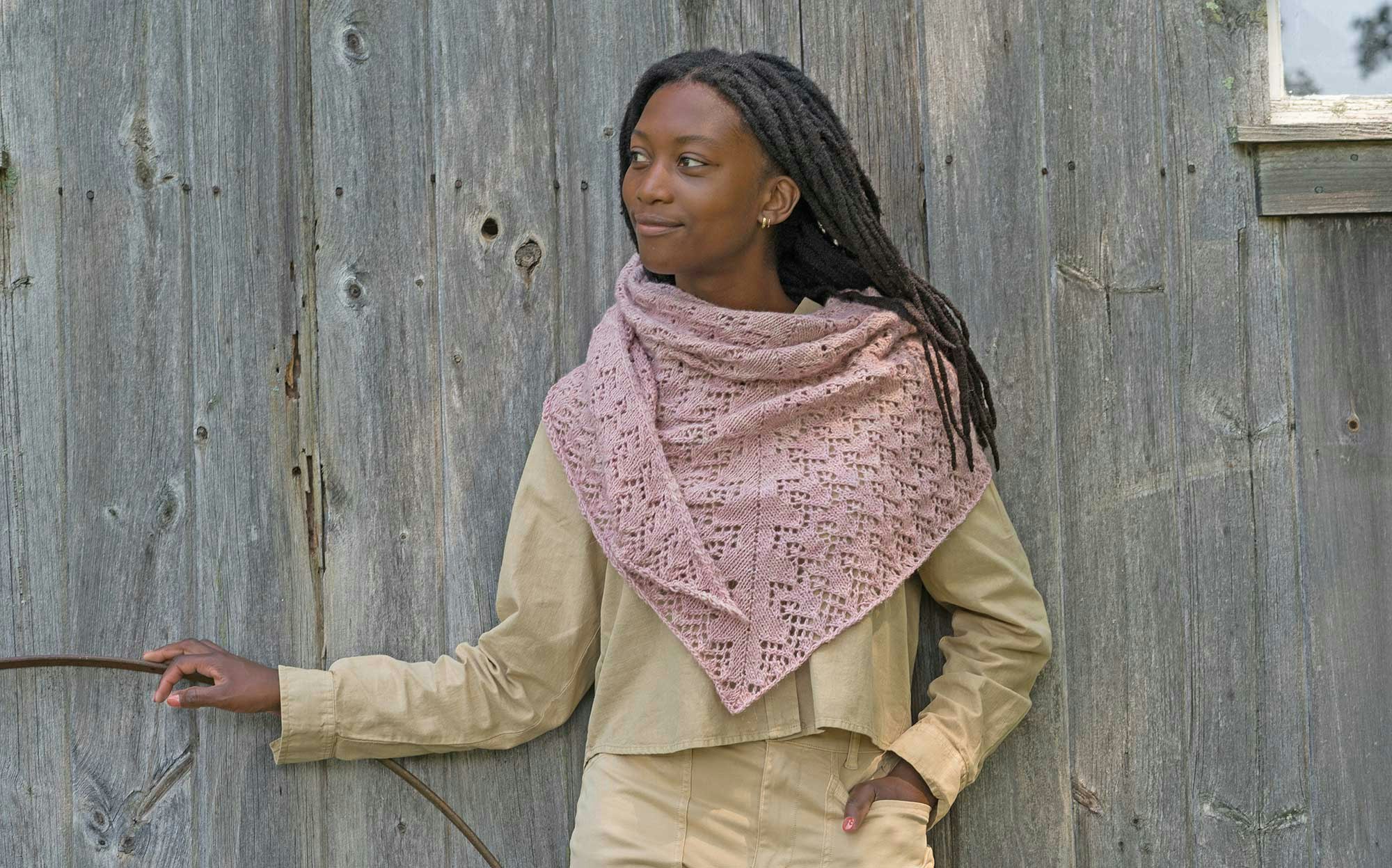
This yarn is interesting to play with because it continues to surprise me. I’ve spent time working with thick-and-thin, textured woolen yarns, but silk behaves so differently. A dense, reversible linen stitch creates a stable fabric that evens out much of the texture. A quick swatch in the little arrowhead lace motif is crisp and easy to read despite the rustic yarn. Now I’m dreaming of a summer yoke tee with a simple lace motif!
Project Planning
When working with this yarn, you will need to take its natural character into account. It’s truly handmade, passing through the hands of different spinners, each leaving their mark. Some singles are spun thinner than others, some skeins have more ply twist. I love the connection this so clearly expresses between those makers and myself.
I think you could plan to use this yarn in projects where gauge is less important, such as scarves, cowls, and shawls. Or, if like me, you are dreaming of a silky summer tee, make sure you order as much or more yarn than you need. Inspect each skein carefully and alternate skeins as you knit, like you might do for hand-dyed yarns.
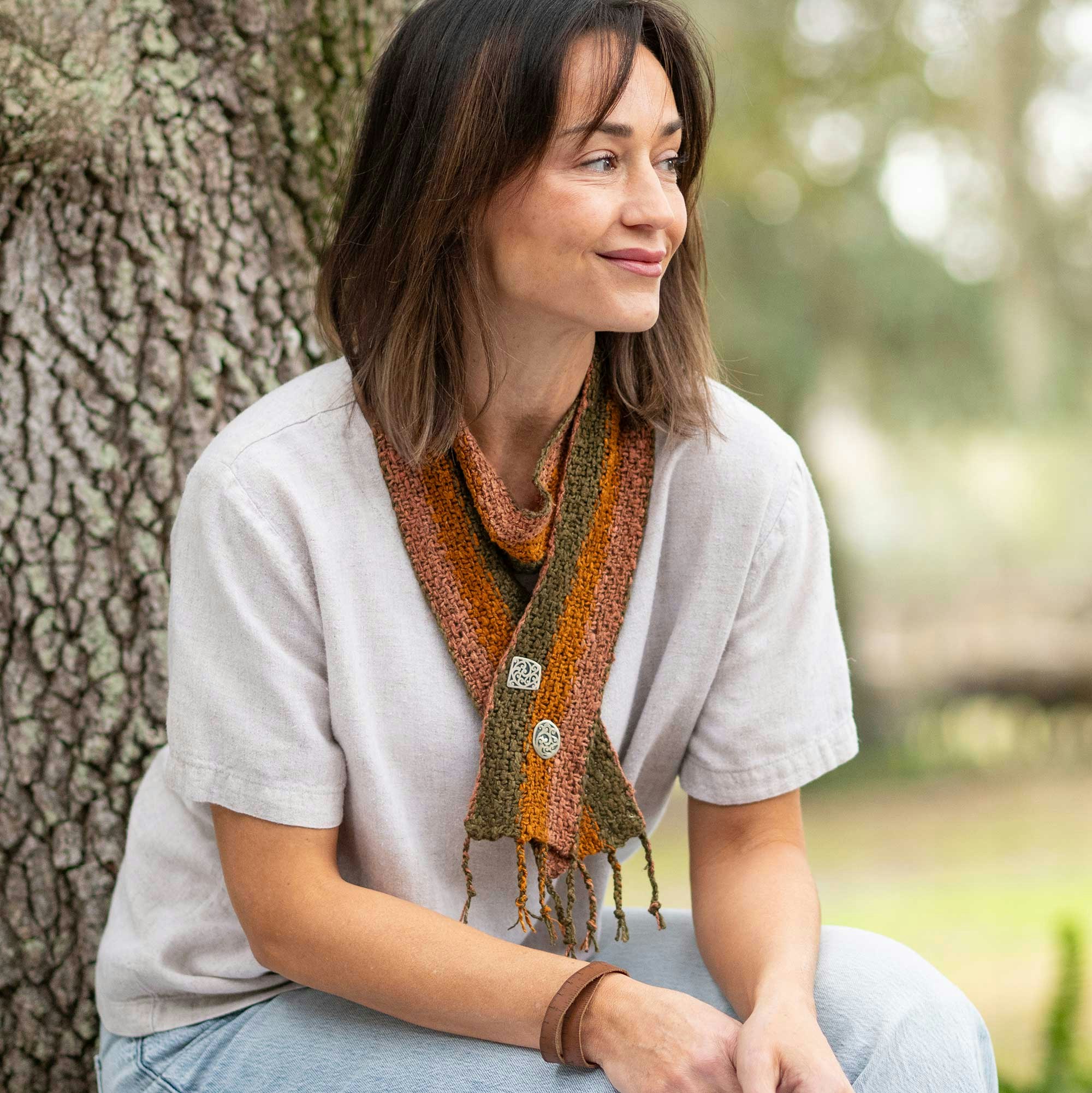
I designed the Tapia Scarf using three different colors of Borocera Silk and a reversiable linen stitch. I also think Coco’s Wrap by Susanna IC would be a great fit for this beautiful yarn. Find both of these patterns in the Farm & Fiber Knits library!
—Kate