
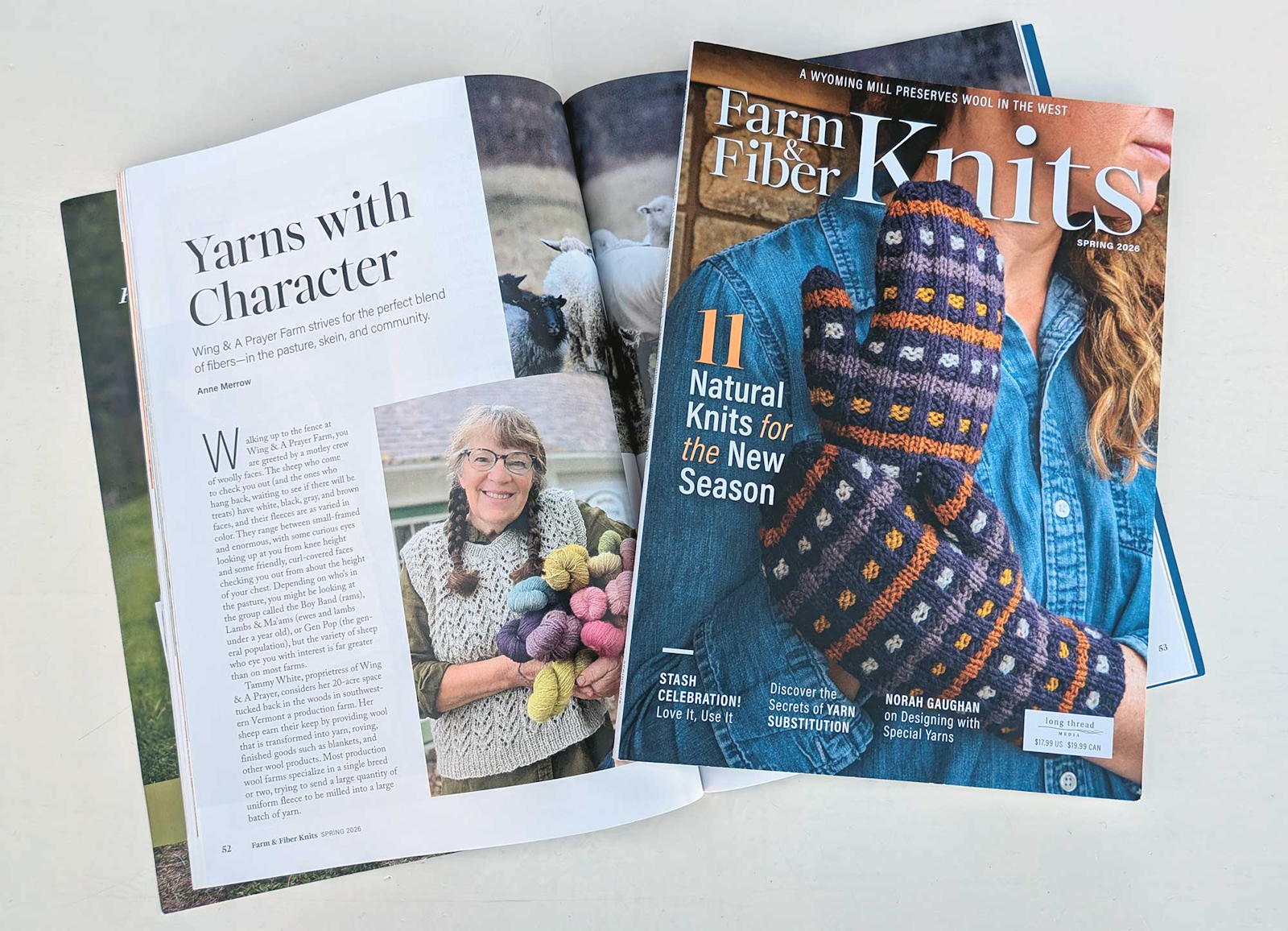
Do your knitting projects start by falling in love with the yarn? Whether it’s the color, texture, or story, lots of us fall in love with a skein and take it from there. This issue explores how to choose, substitute, and use yarns for the fabric you want. From scrappy knitting and joining yarns to breed-specific wool and thoughtful patterns, we’re celebrating yarn in all its forms.
Click on each image to learn more!
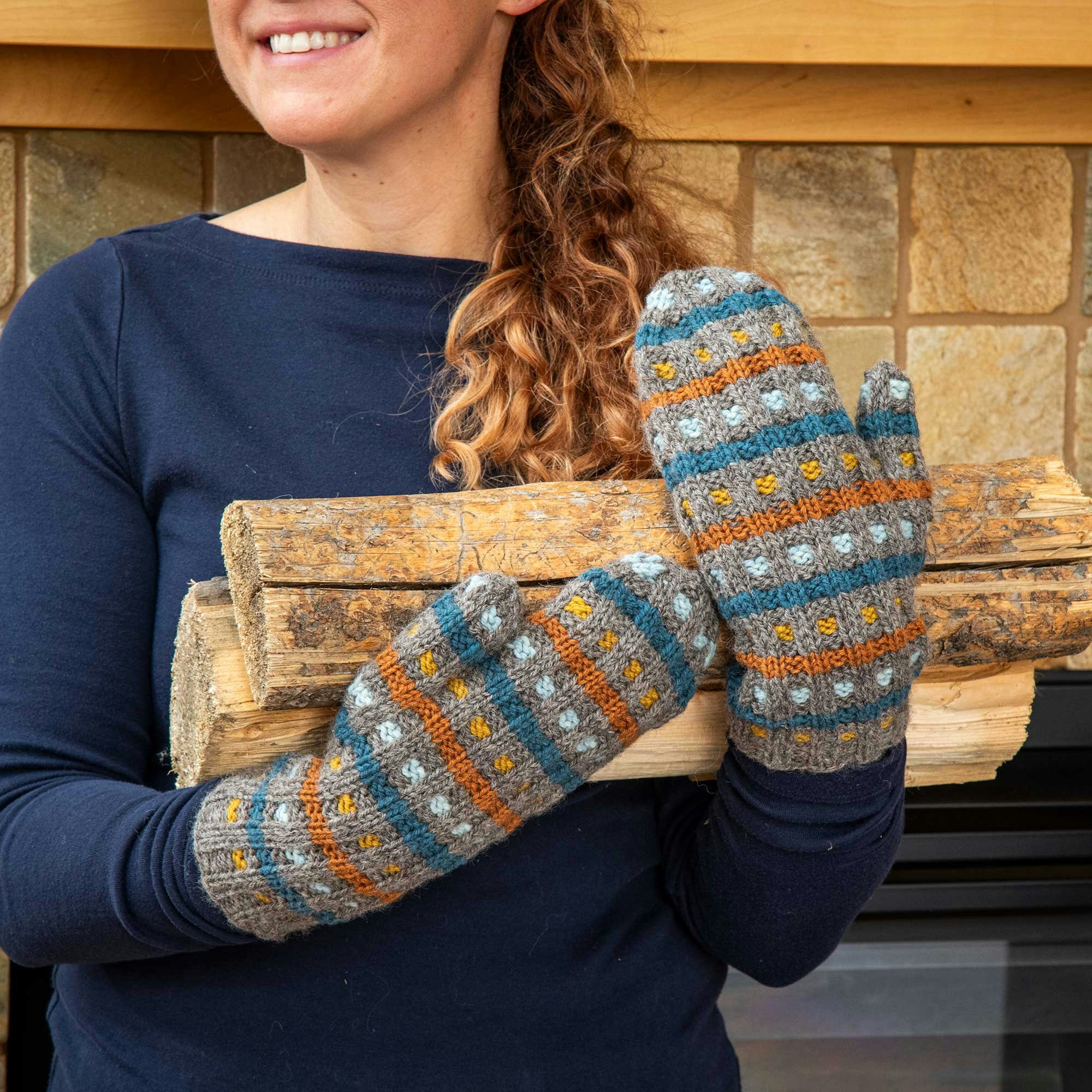
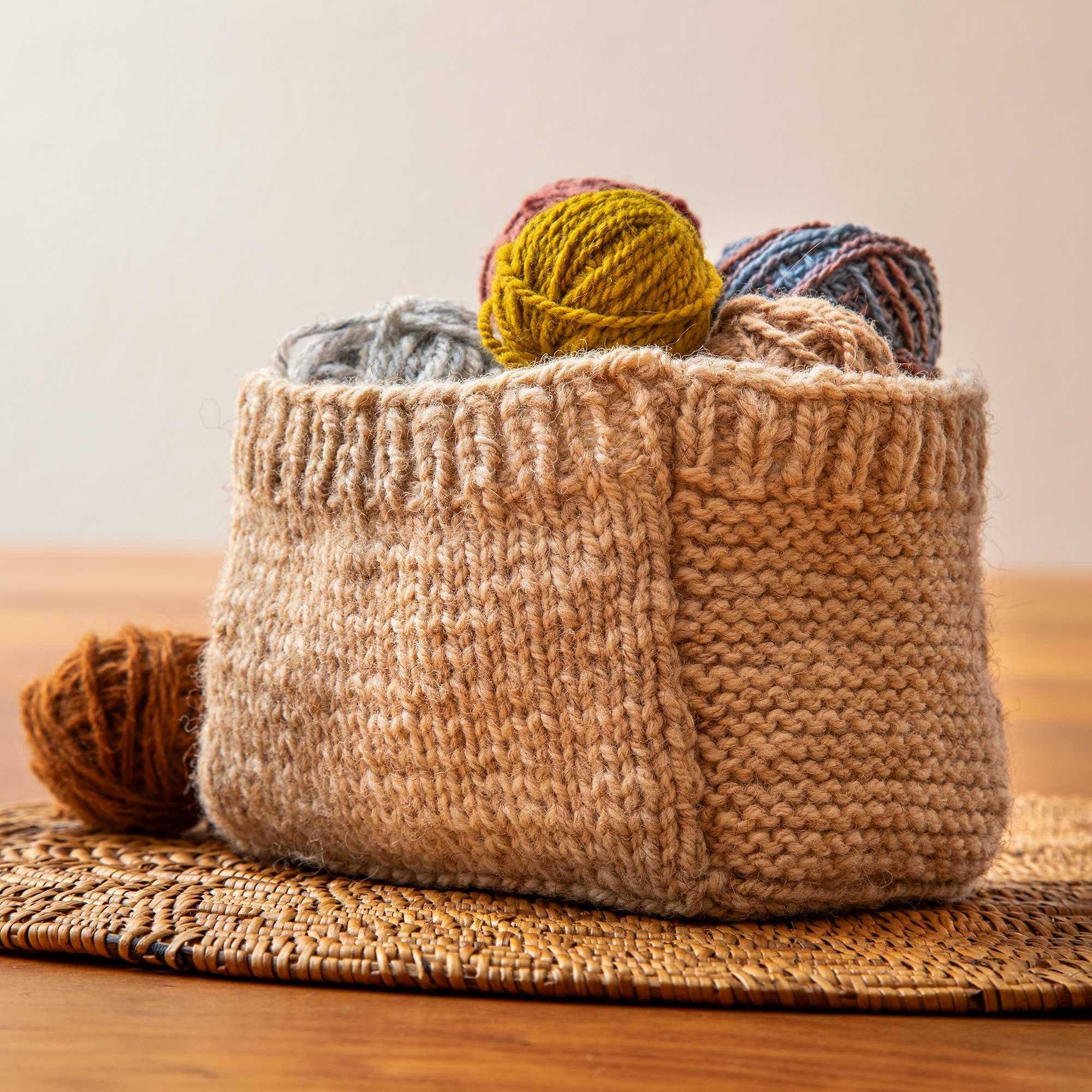
Left to right: Ilisha‘s Mittens by Sivia Harding and a Woolly Basket by A. Sabine Schröder-Gravendyck. Photos by Matt Graves
Stash Appreciation & Scrappy Knitting
Go ahead—knit the good yarn.
Most knitters are saving a skein or two for something special. When Sahara Briscoe’s yarn collection tumbled down around her, she decided to start knitting the yarn she’d set aside for a rainy day. She found new uses for scraps, combined leftovers in new projects, and gave herself permission to play with her souvenir skeins.
To help you celebrate your yarn treasure trove, the issue includes two great patterns for scrap knitting. Whether you have just a few yards left at the end of another project or a full skein waiting to be cast on, these projects are as fun to knit as they are lovely to have.
 How many ways to join yarns have you tried? Even if you’ve settled on a go-to method, you may find a new one in our tutorial. Shown here is the Russian join; photos by Matt Graves
Yarn Substitution
“Can I knit that pattern with this yarn?” Yarn substitution is about so much more than gauge! Will the new yarn sag or bounce? Do two strands of fingering weight make DK or worsted weight?
Two swatch studies show how fiber, gauge, and processing determine the best use for every yarn. Whether you use the yarn suggested in the pattern or substitute something from your stash, learn to choose the right yarn for great results.
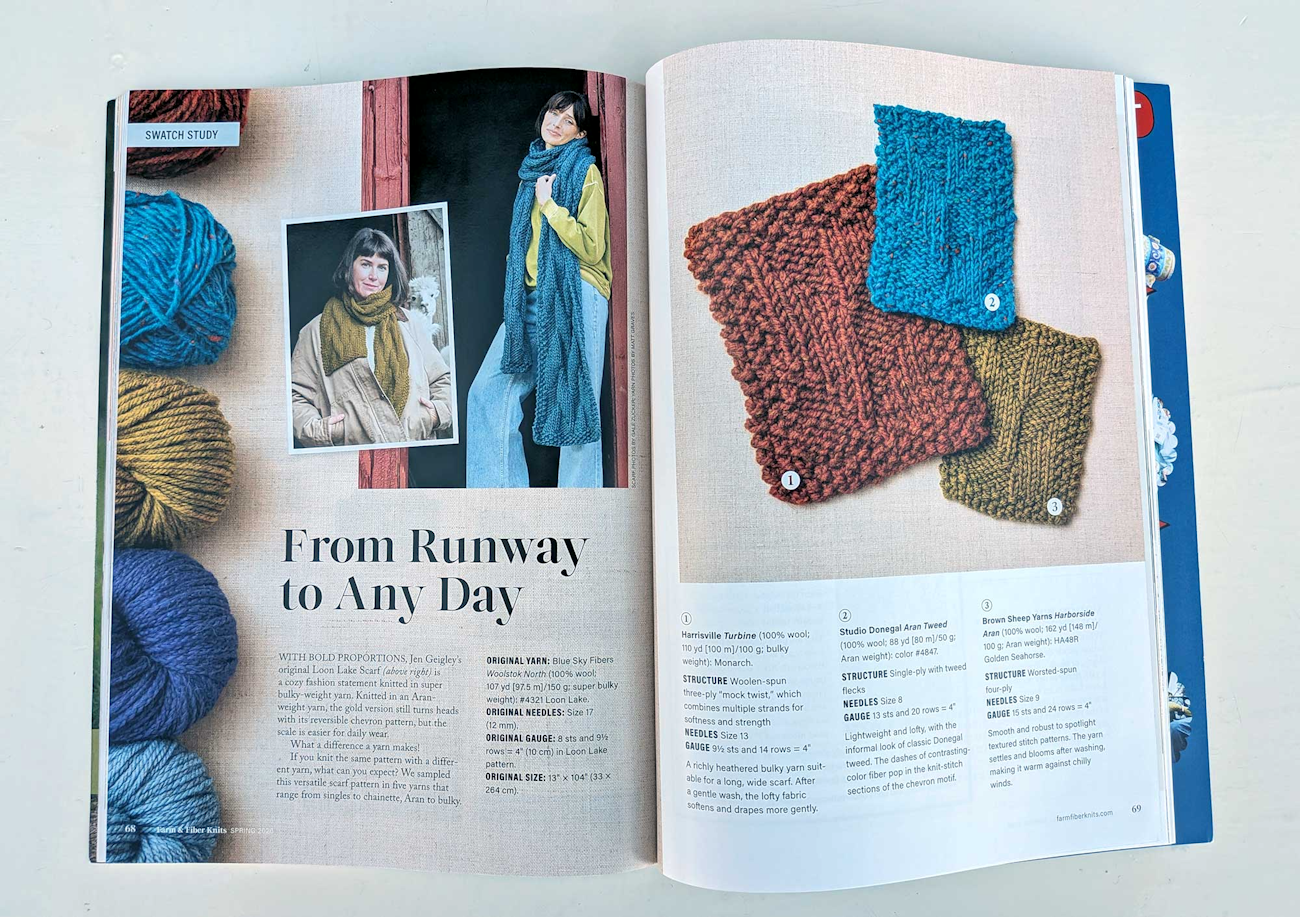 Jen Geigley’s Loon Lake Scarf is runway-worthy in bulky yarn and perfect for every day in something lighter.
The Beauty of Breed-Specific Yarns
You may have heard the buzz about breed-specific yarns: yarns that include fibers from only one kind of sheep. What makes them so special? These yarns tell a story about the place they’re from and also they also preserve the unique color, texture, and character of the sheep who grow them.
Click on each image to learn more!
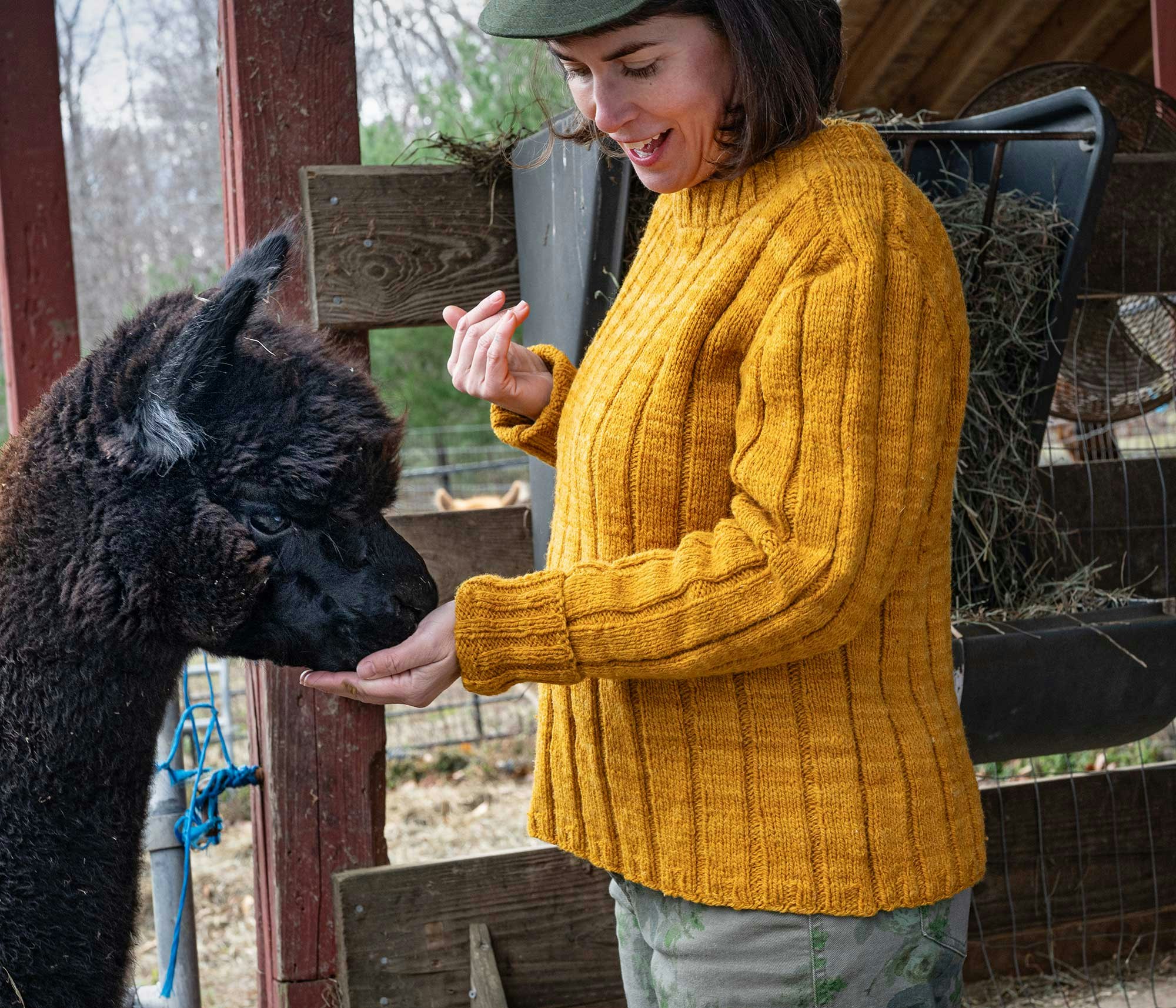
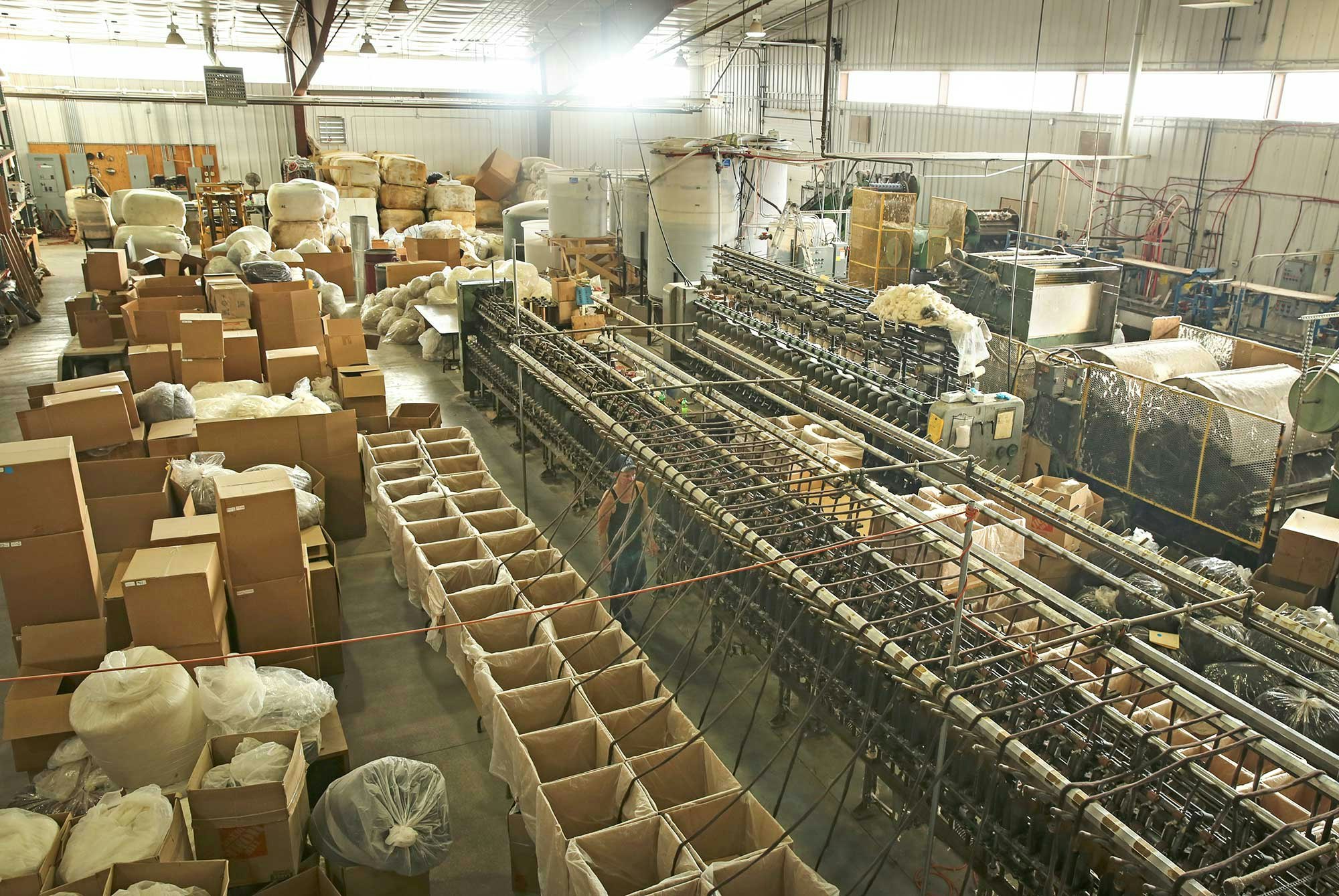
Left to right: The Northern Exposure Pullover by Sandi Rosner; photo by Gale Zucker. The production floor at Mountain Meadow Wool in northern Wyoming; photo courtesy of Mountain Meadow Wool.
Get a bonus pattern for an elegant shawl using a rare British wool. Portland is a primitive sheep breed considered At Risk by the UK Rare Breeds Survival Trust. An excerpt from The Wonder of Wool by Justine Lee and Jess Morency explores the unique qualities of the breed and includes a pattern knitted in Portland.
Click on each image to learn more!
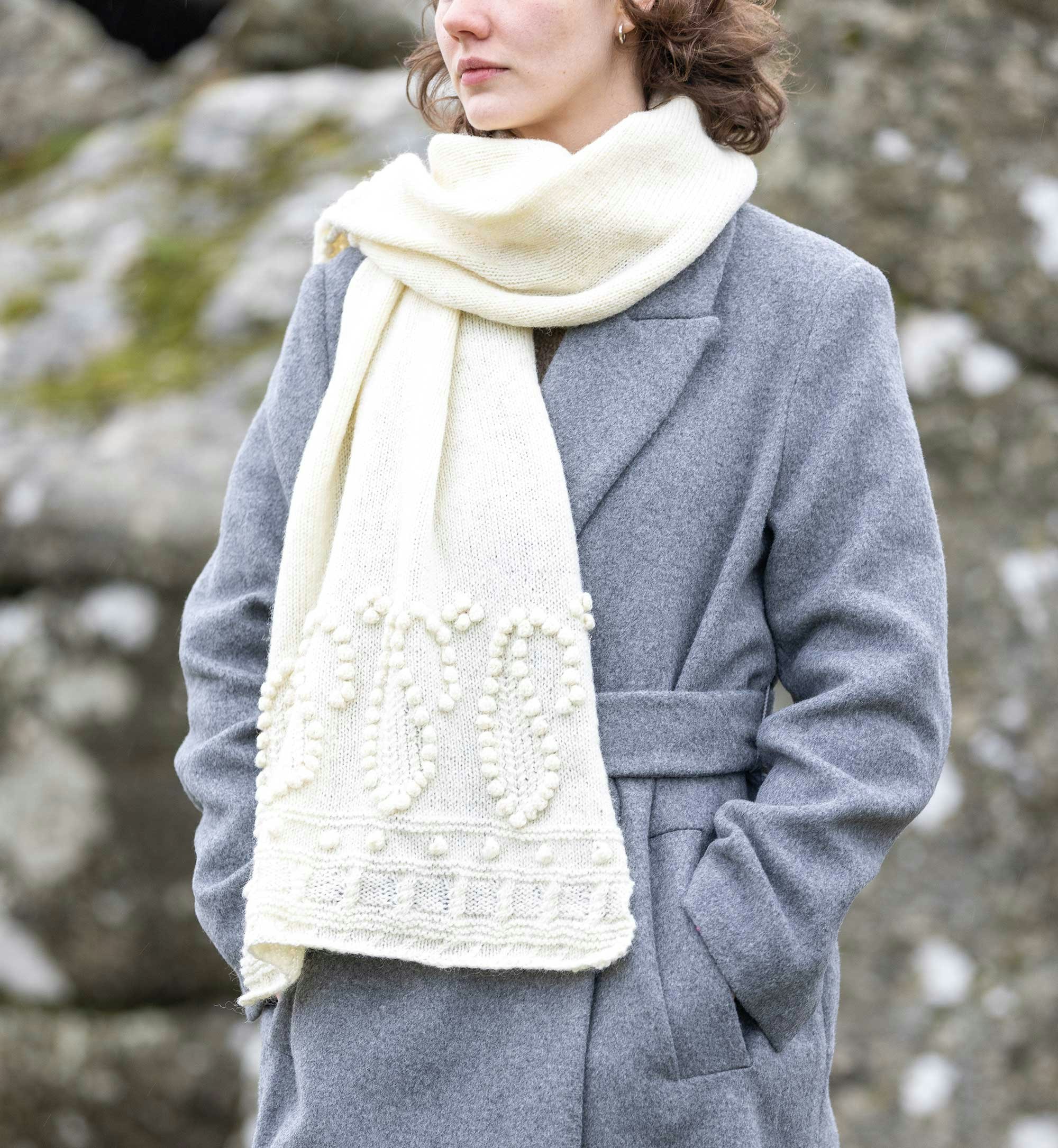
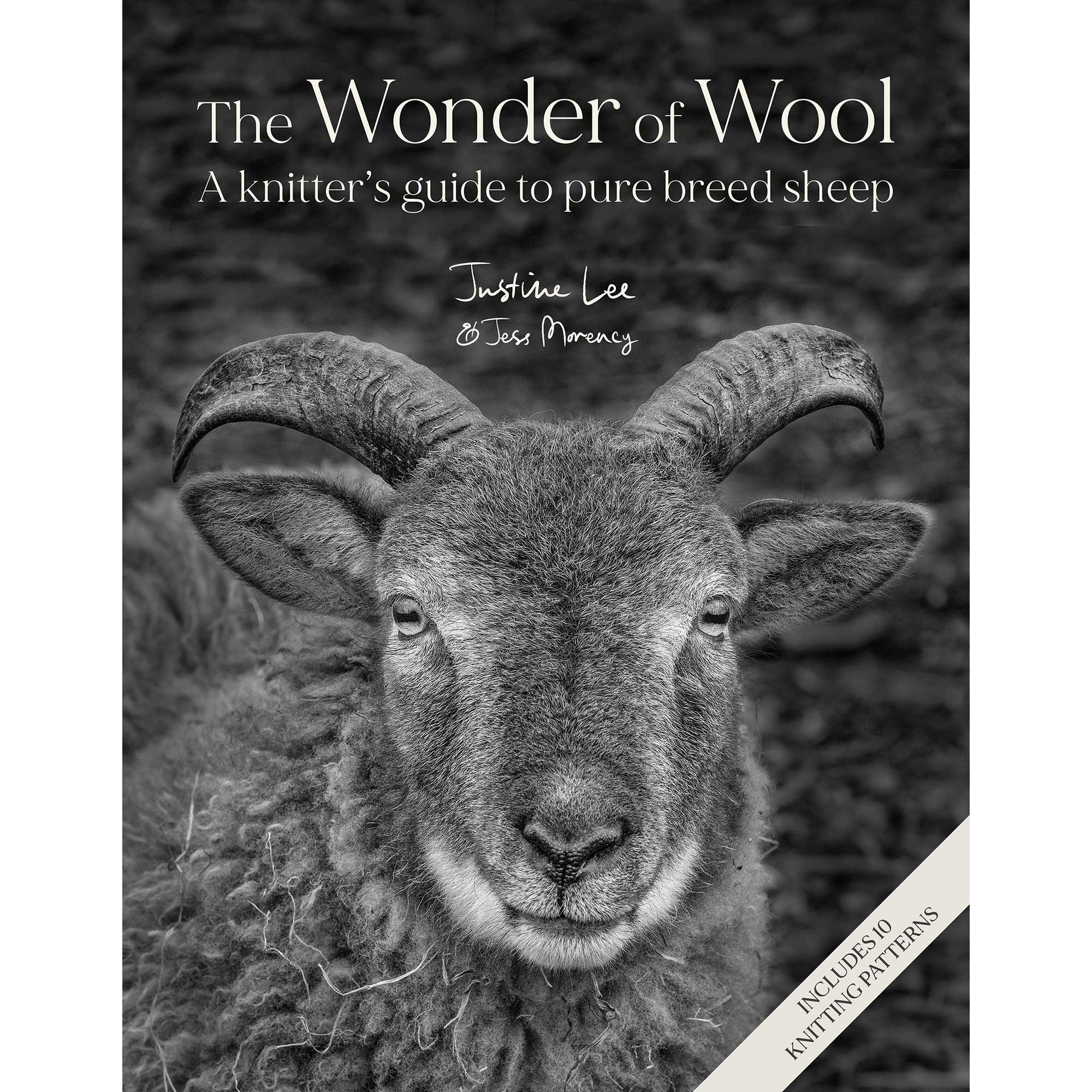
Left to right: The Malvina Shawl by Justine Lee. Photo by Jason Jenkins, courtesy of David & Charles. The Wonder of Wool: A Knitter‘s Guide to Pure Breed Sheep by Justine Lee and Jess Morency; courtesy of David & Charles.
With 11 projects—elegant, playful, meditative, and scrappy—this issue offers something for every knitter and every skein. It also marks the beginning of our new four-times-a-year rhythm, bringing you more of what you love, more often.
